
The Civic Necropolis
Mirror and reflection of the city of the living, the necropolis standardly summarizes the chronological evolution of the ciuitas of Santa Criz. This, existing as a pre-Roman oppidum since the 5th/4th century BC, would adopt the civic appearance at the change of Era to, probably, promote to the municipal status at the end of the 1st century AD, in the time of the emperor Vespasian. The preserved remains of this necropolis, located to the south of the city and separated from the urban nucleus, evoke the wealth and the names –the Calpurnii, Aemilia Vafra, Picula…– of the protagonists of such a hazardous as exciting History.
Excavated at the end of the 90s and occupying an area of more than 2000 m2, the necropolis runs at the foot of a uia sepulchralis and is articulated around burials of various types, from magnificent dynastic monuments –embellished with statues and decorative apparatus of various kinds– to pits, open-air tombs or exempt monuments such as stelae or altars.
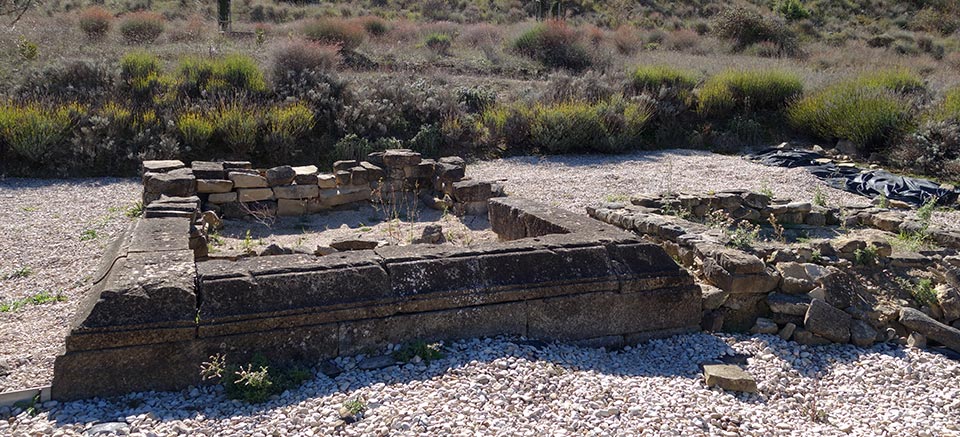
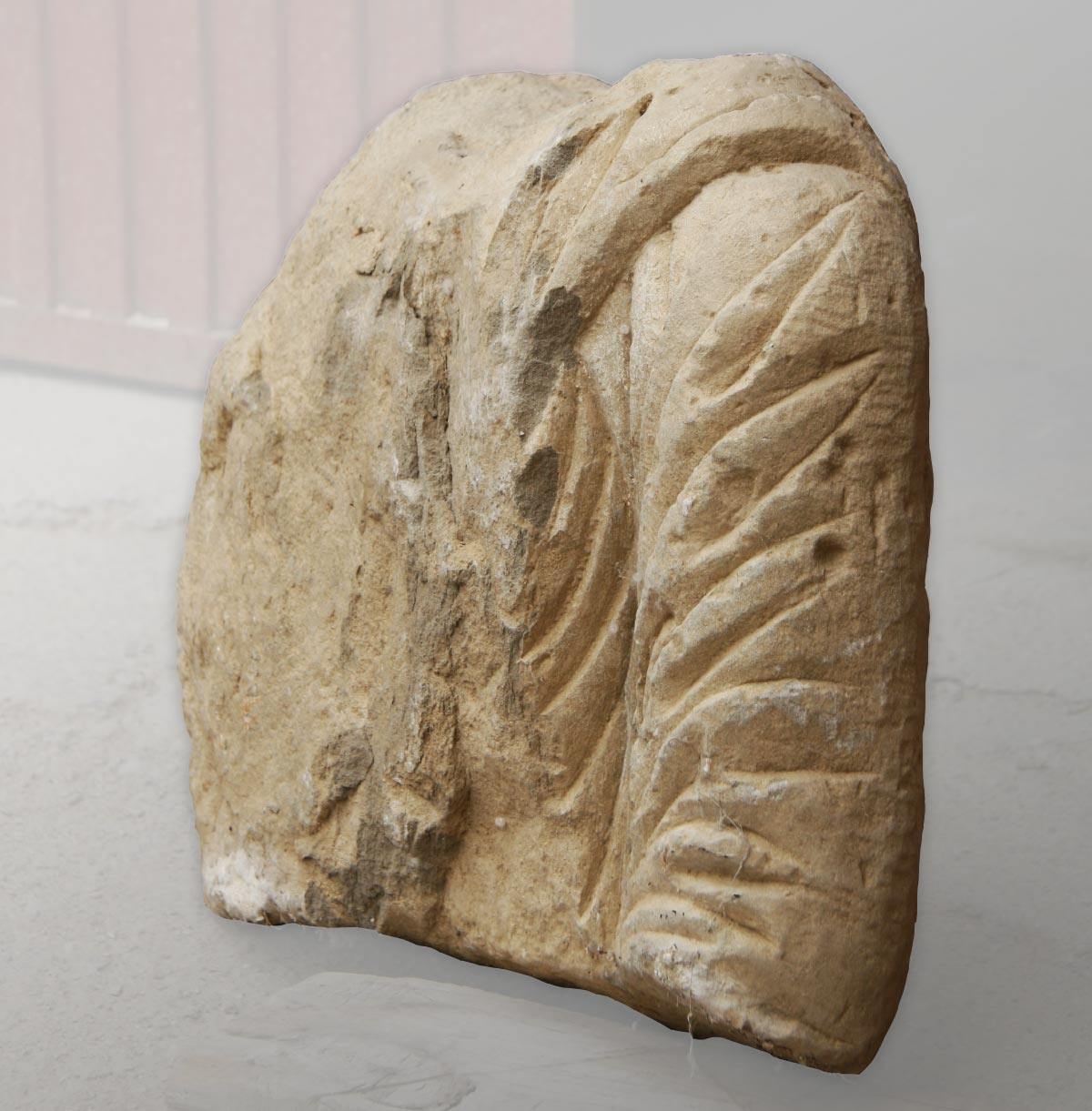
After 2000 years in situ, the great monumenta –with a sandstone base for the central one and masonry for the two on the sides– still overwhelm, bearing inscription, would show the potential of the families or individuals to whom they belonged. The finding in the area of numerous ornamental stone modillions decorated with vegetal and astral motifs suggests that the monumental altars with puluini were the most successful sepulchral type in the area.
The offerings and trousseaus found in the tombs, all of incineration, and that include seeds, ceramic fragments, dice and other objects of daily use allow, in addition, to recreate the funerary customs of between the 1st and 4th centuries AD in which this space was in use.
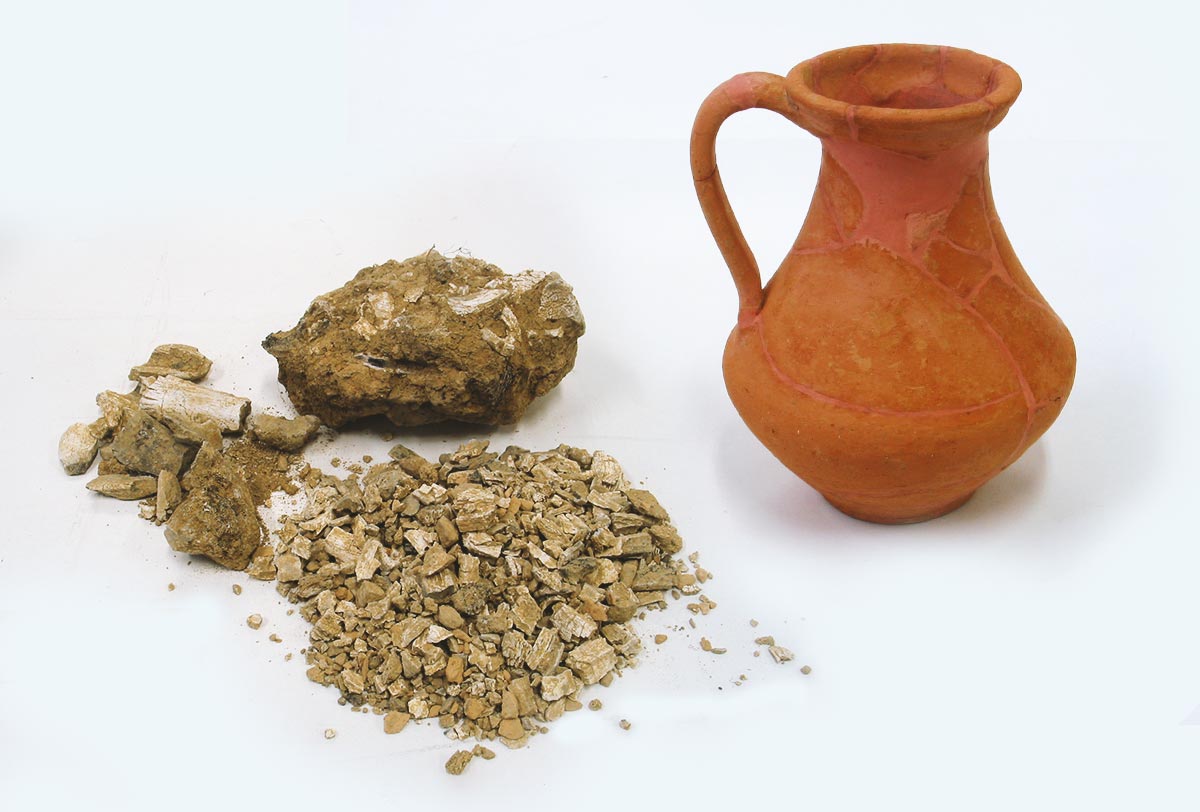
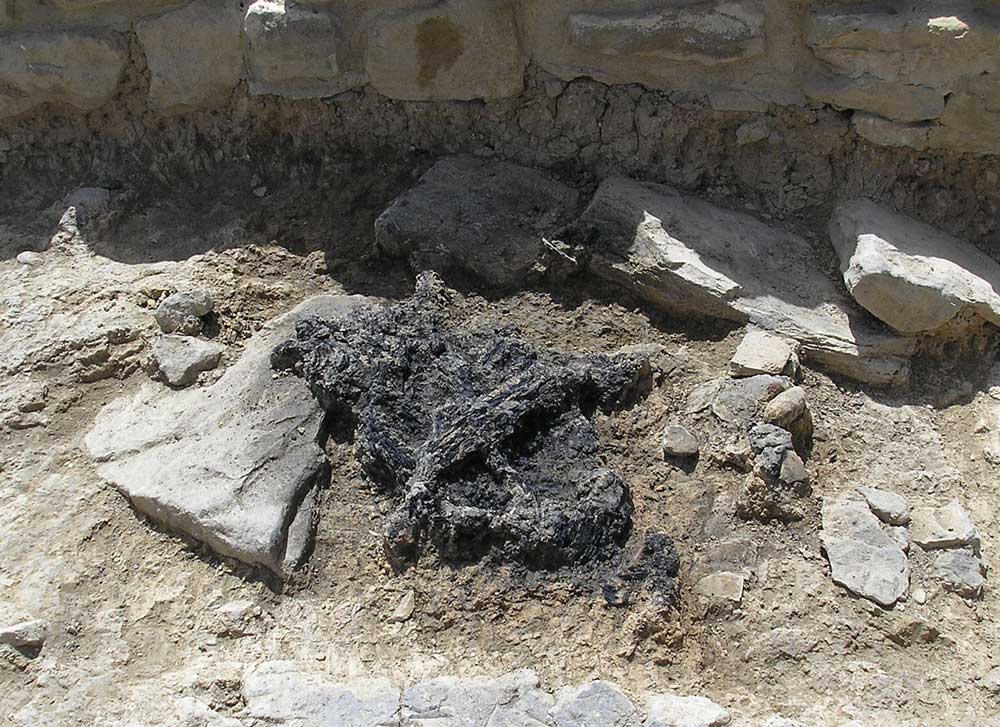
The intense rural settlement attested in the area for the Roman era –and that had uillae (farms for agricultural exploitation) and uici (villages)– has also bequeathed us, in Eslava itself or in the neighboring town of Gallipienzo, remains of inscriptions or monumenta dynastic similar to those that can be seen today in the necropolis of Santa Criz, practically the only one preserved in situ in Roman Navarra.